
Due to the ongoing conflict in Sudan, the country is experiencing one of the worst humanitarian crises in its history, causing severe harm to civilians and triggering widespread suffering. This crisis is considered one of the most severe in recent decades, amid insufficient international attention to address the escalating situation, leaving the Sudanese people facing an uncertain fate.
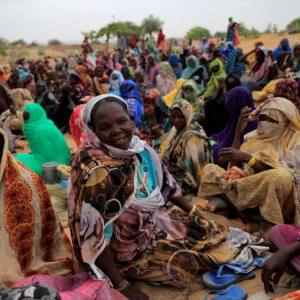
Since the outbreak of the conflict more than 19 months ago, millions of civilians have been subjected to severe violence and human rights violations, leaving lasting impacts on their lives. Those fleeing the violence have been forced to leave their homes, carrying painful memories of destruction, embarking on long journeys to seek safety in neighboring countries or even farther. These refugees live under harsh conditions in camps lacking basic shelter and healthcare.
Neighboring countries, such as Chad, are witnessing an unprecedented influx of refugees, having received over 700,000 Sudanese refugees, placing tremendous pressure on local resources. Refugees face shortages in education, healthcare, and clean water, while host countries struggle to accommodate these large numbers.
Despite the rising number of refugees, the international community continues to neglect this ongoing humanitarian crisis, further complicating the situation. Humanitarian needs exceed the capacity of host countries to respond adequately, making international support essential to ensure sustainable humanitarian aid and maintain regional stability, especially as the economic and social impacts of the crisis worsen.
The international community remains obligated to take responsibility by providing urgent financial support, ensuring the sustainability of humanitarian assistance, and working on durable solutions for refugees, such as voluntary return and support in rebuilding their lives once the conflict ends.