
Louis Wootridge from the United Nations Relief and Works Agency for Palestine Refugees (UNRWA) stated that, so far, 187,000 children have been vaccinated, with teams moving from tent to tent and shelter to shelter.
The UNRWA spokesperson added that these vaccinations are being carried out amid a war zone, while other diseases, such as Hepatitis A, are also spreading.
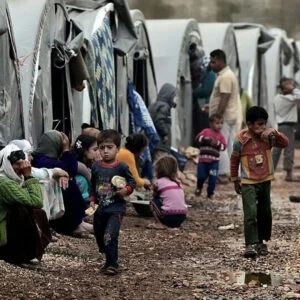
She explained, “Most of the children I saw suffer from skin conditions and rashes. So while we are doing everything possible to vaccinate them against one disease, the inhumane conditions that cause and exacerbate other illnesses persist.”
Health Risks
The spokesperson described conditions at one health center, where flooded sewage surrounded the streets, forcing children to navigate health hazards just to receive polio vaccines.
Ms. Wootridge emphasized, “People need everything — in addition to polio vaccines, medical supplies, hygiene products, and clean water are all critical to stop the spread of diseases.”
She added, “What people need now is a ceasefire, and they need it immediately.”
Wednesday marked the final day of vaccination operations in central Gaza, which humanitarian workers described as a major success.
In addition to UNRWA, the campaign was a joint effort involving the United Nations, the World Health Organization (WHO), UNICEF, partner NGOs, and volunteers.
Despite the ongoing risk of strikes, families brought their children to health centers and schools to receive the first two doses, continuing support for the vaccination sector that existed prior to the conflict.
For children who could not move easily, relief teams visited vulnerable families and children to ensure all under-ten-year-olds received their doses.
Ms. Wootridge noted, “It was very encouraging to see children come forward and proudly show us their little finger, marked with a pen, to indicate they had received the vaccine.”