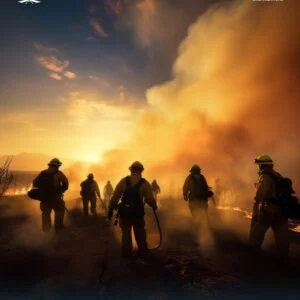

Since the beginning of July 2025, Latakia Governorate has been witnessing massive wildfires that have caused extensive destruction to forests and agricultural lands. More than 10,000 hectares have burned across 28 different areas in rural Latakia. The damage has not been limited to the environment alone; these fires have escalated into a humanitarian disaster threatening the stability of hundreds of families and refugees in the region.
Within just a few days, hundreds of residents were forced to flee their homes to escape the flames and heavy smoke. Civil Defense teams – supported by units from Jordan, Turkey, Lebanon, and Syria – have been working tirelessly to contain the fires. Over 120 firefighting teams, more than 150 vehicles, and between 12 and 16 helicopters have taken part in the operations. However, major challenges remain due to:
-
Harsh climatic conditions: Rising temperatures and lack of rainfall have accelerated the spread of the fires, transforming the crisis from an environmental issue into a humanitarian one.
-
War remnants: Landmines and unexploded ordnance in the affected areas have caused explosions during firefighting efforts, hindering operations and increasing risks for teams.
-
Rugged geographical terrain: The mountainous and difficult landscape of rural Latakia has obstructed ground teams and slowed their ability to keep up with the fast-moving flames.
At the international level, the response has been coordinated through a joint operations room between Turkey, Jordan, Lebanon, and the United Nations, which dispatched teams to assess the damage and identify urgent needs. Meanwhile, the Syrian authorities have requested additional support from the European Union to provide more helicopters and firefighting resources, amid growing concerns about the disaster’s impact on civilians.
From a humanitarian perspective, hundreds of families have been displaced temporarily, facing serious health risks due to the heavy smoke that exacerbates respiratory diseases. Several Civil Defense personnel have been injured during firefighting operations, although no civilian deaths have been reported so far. Agricultural infrastructure and rural roads have sustained severe damage, further deepening the vulnerability of communities already struggling with shortages of water and electricity.
Key Recommendations from the International Organization and the Global Community:
-
Enforce an emergency ban on wildfires and deploy additional firefighting helicopters and air-bridges with support from the European Union.
-
Urgently clear war remnants and implement strict safety protocols before allowing firefighting teams access.
-
Provide immediate humanitarian assistance, including safe drinking water, medicines, shelter, and psychological support for displaced families and firefighting personnel.
-
Launch local climate resilience programs by establishing environmental leadership to restore vegetation cover and improve water resource management.
In conclusion, the Latakia wildfires are not merely a passing environmental disaster; they represent a “humanitarian time bomb” threatening the environment, food security, and human rights in Syria. The International Organization for Human Rights and Refugee Affairs strongly condemns the international community’s inaction in building a permanent rescue framework and calls for an urgent and decisive response to ensure civilian protection and strengthen regional stability.
This moment represents a critical opportunity for the international community to act immediately toward a sustainable humanitarian and environmental intervention that safeguards human lives and preserves the environment upon which future generations depend.