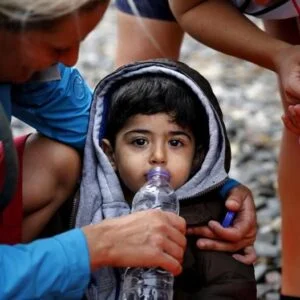

World Children’s Day is an annual event celebrated on November 20 each year, aiming to raise awareness of children’s rights and ensure the improvement of their lives globally. This day represents a global commitment to protecting children’s rights and providing them with a better future, free from displacement, poverty, and marginalization. The occasion also highlights the importance of supporting children affected by crises, particularly in conflict-affected and impoverished areas.
History of World Children’s Day
World Children’s Day was first celebrated in 1954, following the adoption of the UN Declaration of the Rights of the Child in 1959. On November 20, 1989, the Convention on the Rights of the Child was adopted, becoming the cornerstone of child protection worldwide, ratified by the majority of UN member states.
International Agreements on Child Protection
Protecting children’s rights is not an individual responsibility but a global duty shared by all countries. One of the most prominent international agreements in this field is the 1989 Convention on the Rights of the Child, which is widely recognized and legally binding in protecting children.
The convention consists of 54 articles covering civil, social, cultural, and economic rights, including:
-
The right to life, survival, and development.
-
The right of children to freely express their opinions.
-
The right to education and healthcare.
-
The right to protection from all forms of violence and exploitation.
The convention emphasizes the importance of providing a safe environment for children at home, in school, and in the community, as well as combating all forms of exploitation and marginalization.
Alarming Statistics on Children’s Situation
Despite progress in some countries, millions of children worldwide still face violations of their rights. According to UNICEF:
-
One in four children lives in extreme poverty.
-
Over 250 million children work in unsafe conditions.
-
More than 160 million children experience sexual exploitation or physical violence.
-
Over 5.2 million children die annually from preventable diseases such as diarrhea, respiratory infections, and malnutrition.
These statistics underscore the urgent need to expand humanitarian and rights-based programs to ensure a safe environment for children globally.
Child Health: Challenges and Opportunities
Child health is a critical issue requiring global attention, as children are the most vulnerable to diseases and epidemics. According to the World Health Organization, many health problems affecting children can be prevented through early healthcare and proper nutrition.
Major health challenges for children include:
-
Malnutrition: accounting for approximately 45% of deaths among children under five.
-
Infectious diseases: such as malaria, measles, and diarrhea, which remain leading causes of child mortality in developing countries.
-
War injuries: children in conflict zones suffer physical and psychological harm.
Opportunities to improve child health include:
-
Vaccinations, which significantly prevent deadly diseases.
-
Proper nutrition through optimal feeding programs and nutritional supplements for children in impoverished areas.
-
Free healthcare, allowing children to receive timely and appropriate treatment.
Children’s Rights: Essentials and Obligations
Children’s rights are fundamental and must be guaranteed by every country, including:
-
Right to education: every child should have access to proper education without discrimination.
-
Right to protection from violence: children must be safeguarded from all forms of abuse, including domestic violence and sexual exploitation.
-
Right to participation: children should be allowed to express their opinions and participate in decisions affecting their lives.
Conclusion
World Children’s Day serves as a reminder of the importance of promoting children’s rights and health. Ensuring these rights is not only the responsibility of governments but a collective commitment involving the international community and humanitarian organizations, including the World Health Organization, UNICEF, and civil society organizations. A better future for children depends on guaranteeing their basic rights, a responsibility that cannot be postponed.
On this occasion, the International Organization for Human Rights and Refugee Affairs strives to strengthen these efforts and continue improving the situation of children in conflict and poverty-stricken areas, ensuring that humanitarian values remain at the forefront of rights-based work.